Ramadan in Dubai is a religious and social affair, yet it is
imperative to plan meals carefully in order to stay healthy, energized, and
focused during the month. The balance between suhoor and Iftar meals is not
only a matter of tradition, but also making smart nutritional decisions to
support individuals who fast over extended periods. Maintaining a well-planned
Ramadan Iftar meal schedule can help you to avoid feeling exhausted, enhance hydration,
and even promote better digestion without necessarily sacrificing the pleasure
of full-bodied flavor and the cultural importance of the Iftar dinner.
This guide contains a Ramadan nutrition program that is
adapted to the Dubai lifestyle with healthy Ramadan recipes, a convenient Iftar
menu, and efficient Ramadan meal preparation tips, designed specifically to
meet the needs of families and busy professionals.
The Reason You Should Have a Ramadan Food Plan.
Eating too much fried food and sweet stuff at Iftar is
simple during Ramadan. Although these are traditional dishes, they lead to
sluggishness and sleep disruption. A healthy Iftar diet plan will guarantee:
- Even energy in the form of complex carbohydrates and lean
proteins.
- Increased electrolyte-containing food and drink.
- Better digestion by not using too much oil and processed
sugars.
- Healthy eating that promotes physical exercise and prayer.
You can also go about Iftar in a structured way and not have
to face the energy crashes that usually follow unstructured eating schedules.
The Healthy Ramadan Iftar Dinner
1. Breaking the Fast: Light Food
This is within the realm of spirituality and science, and
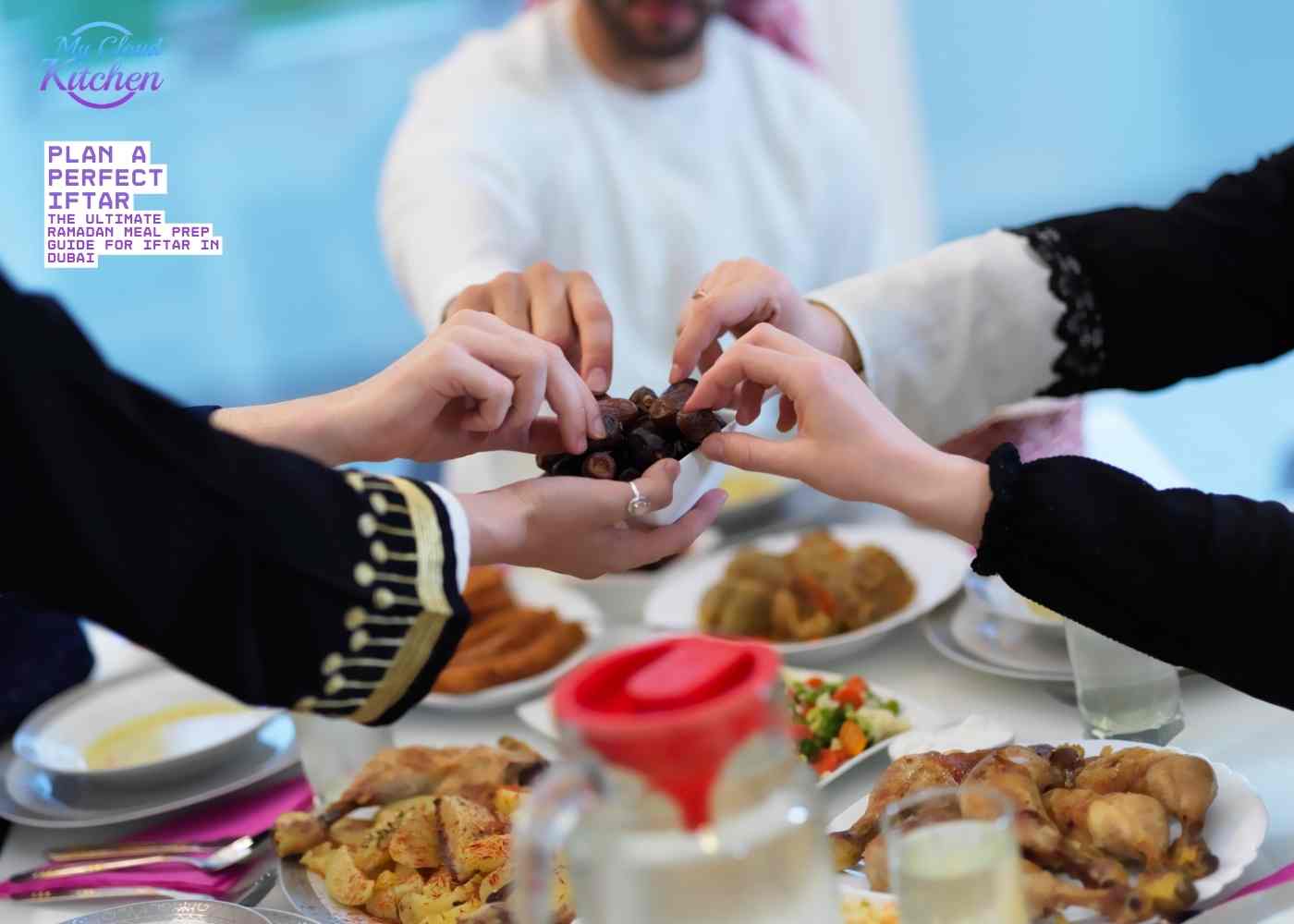
Prophet Muhammad (PBUH) recommended taking dates and water to break the fast.
Dates provide natural energy charge to the body as they are natural sources of
sugar, and water replenishes the body with hydration. Combine this with a warm
soup, like lentil or chicken broth, to warm up the stomach before the main
meal.
2. The Main Plate: Meal Balance
Sustainable Iftar diet consists of:
- Lean proteins: baked fish, plant proteins such as chickpeas
and grilled chicken.
- Whole grains: slow-releasing energy in brown rice, bulgur or
quinoa.
- Vegetables: Roast zucchini, carrots, spinach or cauliflower
are excellent sources of fiber and micronutrients.
This blend has a complete array of nutrients without
overworking the digestive system.
3. Smart Sweets: Moderated Debauchery
Sweets are especially emphasised during Ramadan in Dubai, be
it luqaimat or kunafa. Portion control is the key instead of avoiding them
altogether. Instead, go with light, healthy Ramadan meals such as fruit salads
with yogurt, chia puddings, or baked dates filled with almonds.
Suhoor and Iftar Meals: Full-Day Meals
As much as Iftar takes the centre stage, suhoor is also
crucial. Missing the suhoor may cause dehydration, headaches and exhaustion. A
healthy Ramadan diet is a combination of 2 meals:
- Suhoor: oatmeal and nuts, boiled eggs, whole-carb toast, and
slow-carb Greek yogurt.
- Iftar: again, well-balanced, with lean protein, vegetables
and grains as described above.
This mixture keeps you going day and night, with a constant
supply of strength to work and worship.
Ramadan Diet Book: Eating and Drinking
One of the largest issues during Ramadan, particularly in
the climate of Dubai, is hydration. To make the most of your Ramadan nutrition
guide:
- Have at least 8-10 cups of water between suhoor and Iftar.
- Reduce caffeine, which dries the body.
- Add variety with herbal teas or cucumber, lemon or
mint-infused water.
It is also important to control portions. Rather than
loading your plate, place smaller portions of food on your plate and pay
attention to your hunger. A well-balanced Iftar menu is a quality-oriented
menu.
Best Iftar Ideas and Meal Prep
Ramadan meal prep saves time and provides consistency in the
bustling world of Dubai. These are some of the best Iftar ideas to make it
varied and nutritious:
- Day 1: Grilled salmon and quinoa/roasted broccoli.
- Day 2: Sautéed spinach, sautéed chicken kebabs and brown
rice.
- Day 3: Whole-grain pita and mixed salad with Lentil soup.
- Day 4: Stuffed baked eggplant with lean minced beef and
herbs.
- Day 5: Chickpea and vegetable stew and couscous.
On Sundays, meal prepping is a helpful tool to make sure you
are not rushing on a hectic night. Prepare a lot of food, slice up vegetables
and put them in air-tight containers so that you can assemble food immediately.
Creating an Actionable Ramadan Dinner in Dubai
Dubai has access to fresh food, global foods and diverse
cuisine. This contributes to the fact that it is easier to adhere to a Ramadan
food plan that is varied, balanced, and pleasant. You can create a localized,
culturally and health-conscious Iftar menu using locally sourced ingredients,
such as dates grown in UAE farms, fresh seafood, and fall fruits.
Conclusion
Ramadan is all about the sense of balance, both spiritual
and nutritional. The best-designed Ramadan Iftar meal plan is more than
recipes; it is a Ramadan nutrition plan that matches what you need to eat with
what your body needs and your spiritual observances. With nutritious suhoor and
Iftar meals, portion management, and Ramadan meal prep, you can enjoy stable
energy, increased hydration, and enhanced well-being during the sacred month.
You can take pleasure in having constant energy, higher
stimulation, and improved health throughout the holy month with nutritious
suhoor and Iftar meals, portion management, and Ramadan meal preparation. Your
Iftar meals need not be fancy, but you simply need them to be mindful. With
Ramadan in Dubai, you can have the full spiritual and social glory of Ramadan
by turning it into an ecstasy of sustainability and moderation rather than
gluttony.